Dredging and Reclamation
Introduction
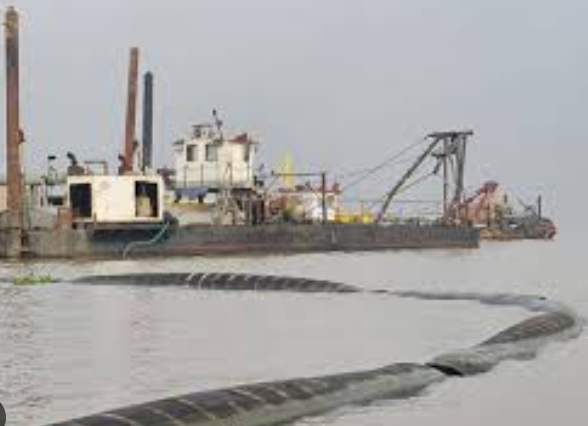
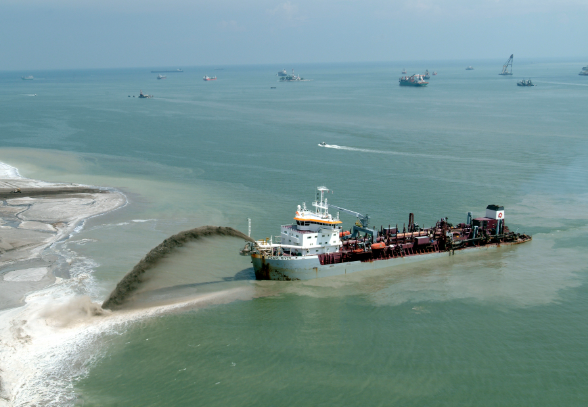
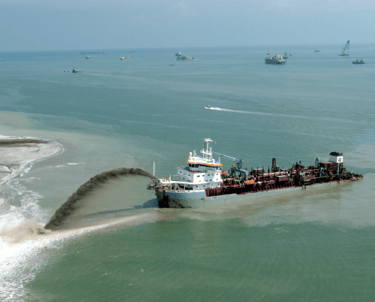
Dredging & Reclamation is necessary to create and maintain navigation channels for the nation’s ports, harbours, marinas, and naval facilities. Billions of cubic yards of sediment are dredged each year worldwide, a volume that reflects the enormous scale of ongoing coastal and marine infrastructure development, port expansion, and waterway maintenance.
Managing and regulating the disposal of dredged sediment is a shared responsibility of all stakeholders, including government agencies, industry operators, and local communities, given the environmental, commercial, and safety implications involved.
Dredging is often a key part of coastal infrastructure projects, supporting not only trade and transportation, but also climate adaptation measures, land reclamation, energy sector development, and strategic growth for both regional and global economies.
Learning Outcomes
The dredger types, including key terms and how they operate within their scope;
Planning, Coordinating, managing and monitoring dredging to eliminate the cost and minimise risks;
Be able to undertake dredging, including detailed explanations of the different type’s stages/components of a dredging project;
Its impact on the environment, management, mitigation and monitoring of the project or activity;
What are the standard types of dredging contracts, the key principles to consider when preparing a contract, and how to minimise the risk of claims?
If you have any questions or enquiries, please feel free to contact us
CONTACT US
admin@stirlingdc.co.uk
+44 (0) 2475227120
+44 755 310 9756
2024. All rights reserved.
Registered under the Companies Act 2006 in England & Wales. Company Reg No: 16842948
Opening Hours: Monday to Saturday: 9am to 5pm